
New York City has reached Phase 1 of the state’s four phases of re-opening following the COVID-19 shut-down. From a purely personal viewpoint, this is a big deal because it allows for the general re-opening of construction sites. At this time, no one knows for certain when Phase 2 will be reached, which would allow our office to reopen as a physical location rather than us all working from home. No one know if new flare-ups of the disease will cause back-tracking. No one knows the schedule going forward. So this step, as welcome as it is, is a tentative one.
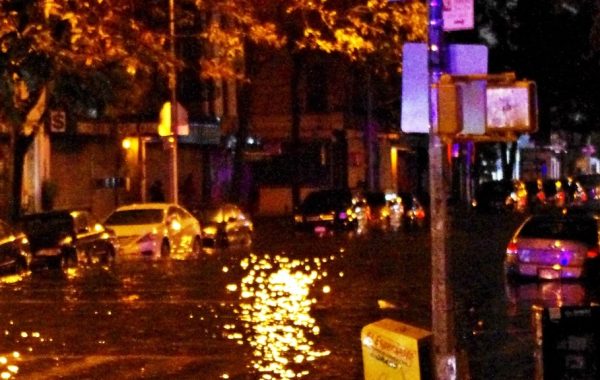
I got to thinking about other times that the city has been in similar situations. There were, as I remember it, several partial evacuations in the eighteen and nineteenth centuries because of yellow-fever epidemics, but the city and society were so different then than they are now that it’s difficult to make a good comparison. In recent years we’ve had slow-downs after electric black-outs, after Hurricane Sandy, and after 9-11, but those were shorter disruptions that affected fewer people. All are decent comparisons and point toward things gradually getting back to normal, but none feels exactly right in terms of the disruption.
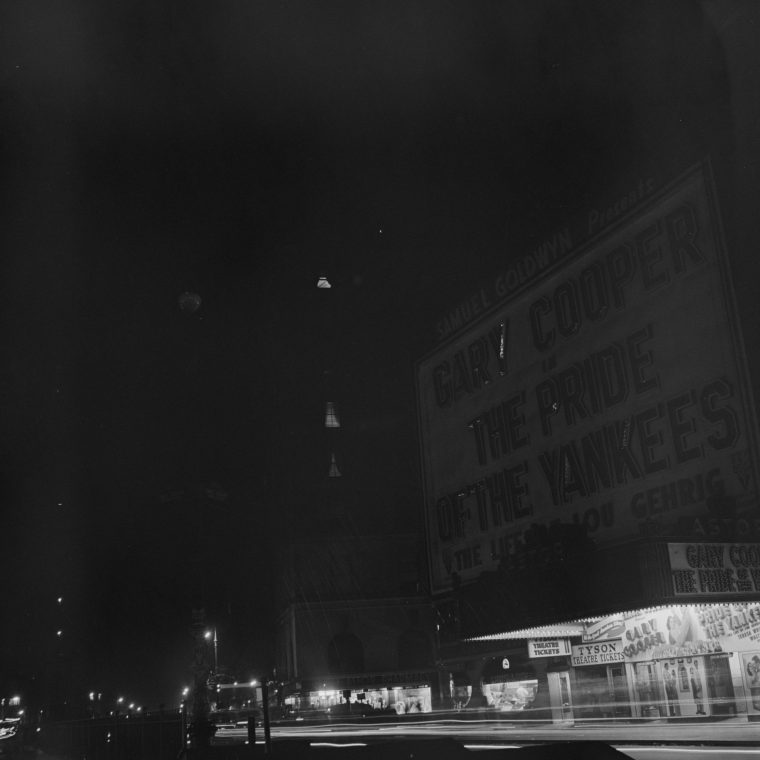
An interesting comparison is the “dim-out” during World War II, which affected almost everyone in the city and the surrounding areas to some degree, was years long, and was the result of outside forces. Since the electrification of light in the late nineteenth century, cities have had an issue with “sky glow“: artificial light making the sky brighter at night. Whether or not this is a problem depends on your opinion of nature versus human-made entertainment, but it turned out to be deadly during World War II. The sky glow from the US eastern seaboard, and particularly from New York, was bright enough that it enabled Axis submarines to easily target Allied ships. The ships were black silhouettes against a purple sky. The US military ordered the dim-out to reduce sky glow, but left it to the individual municipalities to figure out how to do it. New York’s dim-out was in effect for three years, and greatly reduced the amount of exterior lighting at night and the use of interior lighting without shades. The picture above shows a movie theater in Times Square with its marquee lighting turned off; a beautiful time-lapse of Times Square is here.
Obviously the dim-outs were no great hardship, particularly at a time when people all over the world were on the front lines of a massive war. But in a way that makes the comparison even better to the current situation: most of us have not experienced any great difficulty from COVID, only inconvenience, while a small percentage have dealt with horrible loss. And eventually, when the tragedy was over, the lights all came back on.