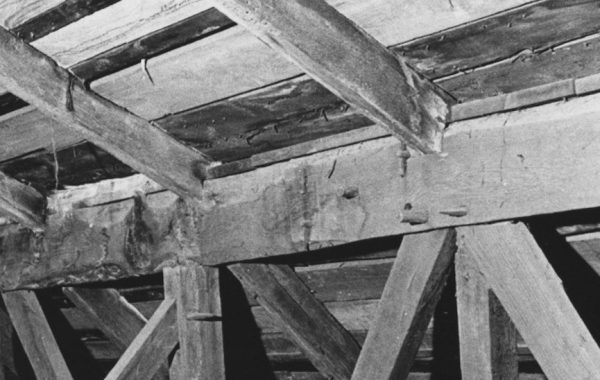
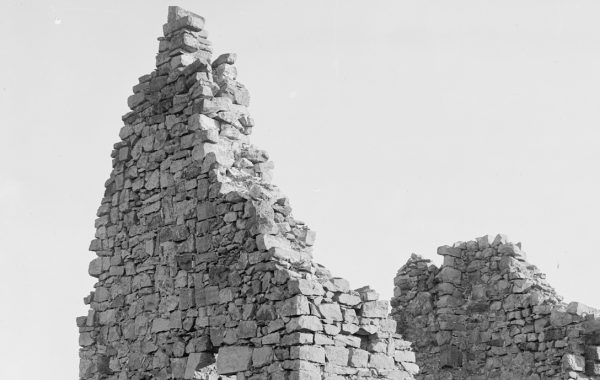
Because of the blurriness of verb conjugations in English, I don’t remember what all the various tenses are called. Two tenses that specifically apply to preservation work involve time-shifting: when you’re talking about something that happened in the past of a future perspective, and when you’re talking about something that will happen in the future of a past perspective. We deal with the future effects of our current work and the effects of the past history of subject buildings (the past of the future), and we deal with the longevity and adaptability of different types of old construction (the future of the past). This topic came to mind as I was reading “Why Historic Preservation Needs a New Approach” by Patrice Frey.
Her suggestion is a system similar to that used by Historic England, where there are different grades of importance attached to historic designations. There is already a low-key version of that differentiation in historic district designations, where buildings may be marked as contributing or non-contributing. But the English system is much more comprehensive, and resembles an improved version of the distinction in the US between buildings listed on the National Register and those designated as National Landmarks. If the US were to institute a true graded system (or if it were adopted locally in, say, New York) we could include the suggestion for a Grade X designation for buildings that need to go away.